A story of women’s hands, sewing, and the art of making do
My Feed Sack Museum
My obsession with feed sacks began with an impulse buy.
Five Master Mix cotton sacks from one of my favorite vintage sellers - spontaneous, a little irrational, completely worth it. The first pants I made from that lot weren’t just cute. They were comfortable, durable, and full of history. The feeling of material that was made to last, handled carefully, and passed forward.
That’s what a feed sack is, at its core: a cotton bag used to ship flour, grain, sugar, and livestock feed across America from the late 1800s through the 1950s. Packaging, technically. But in the hands of the women who emptied them, washed them, and held them up to the light - they became fabric. Clothing. Curtains. Aprons. Tablecloths, Diapers. Quilts. Something worth keeping.
Each surviving feed sack is now 70 to 100 years old. And most people have never heard of them.

The timeline above is something I put together for the hang tags on every feed sack piece I sell at markets. For me, finding these textiles is only part of the work. There's also the slow task of washing them, ironing them, figuring out what they want to become and then making sure that whoever takes them home knows what they actually are, where they came from, and what they can teach us. Feed sacks have a story worth telling. This is my attempt to tell it.
A few notes before we begin:
+ This article focuses on the American story of cotton feed sacks. Similar histories of reuse exist around the world. For simplicity, “feed sack,” “cotton sack,” and “sack” are used interchangeably throughout to refer to all cotton packaging of this kind.
+ On sewing: it’s easy to let the industrial timeline dominate this story, but I just want to note that sewing is a human necessity that predates machines by tens of thousands of years. Women have been spinning, weaving, stitching, and mending for over 30,000 years - long before factories, patents, or cotton gins existed. The 1700s onward is where this particular story focuses, but those skills stretch back to the very beginning of human existence. Everything that follows is built on that foundation.
1700s - Mercantile Era
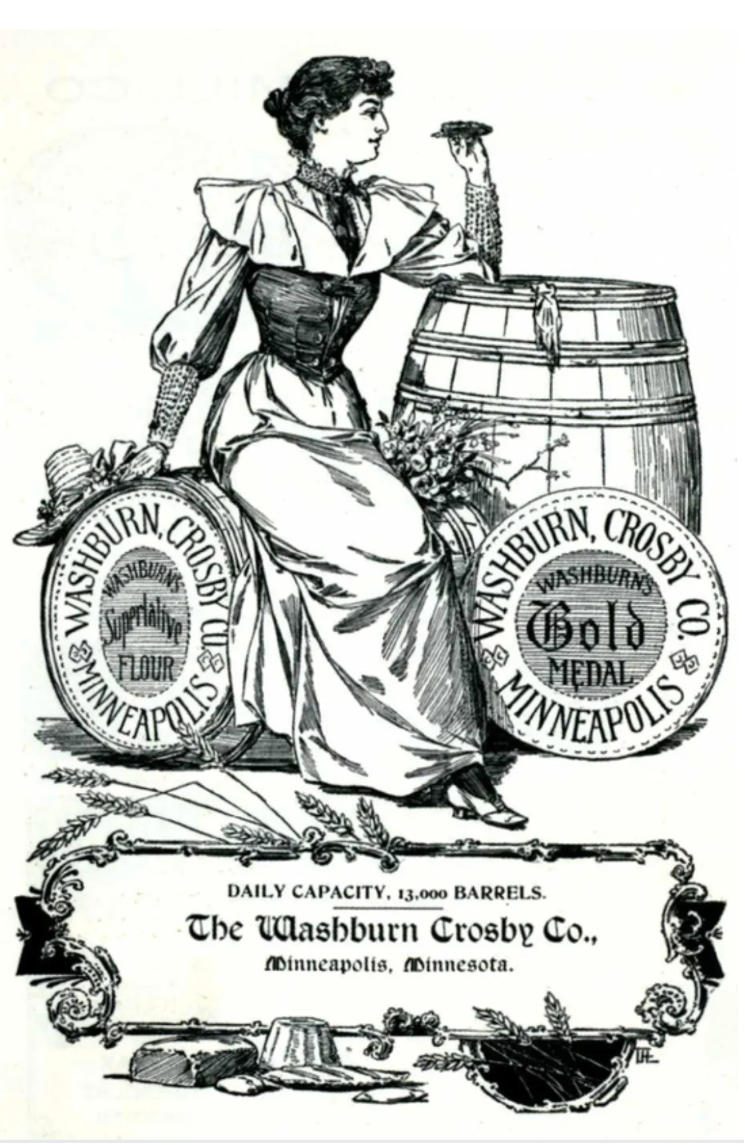
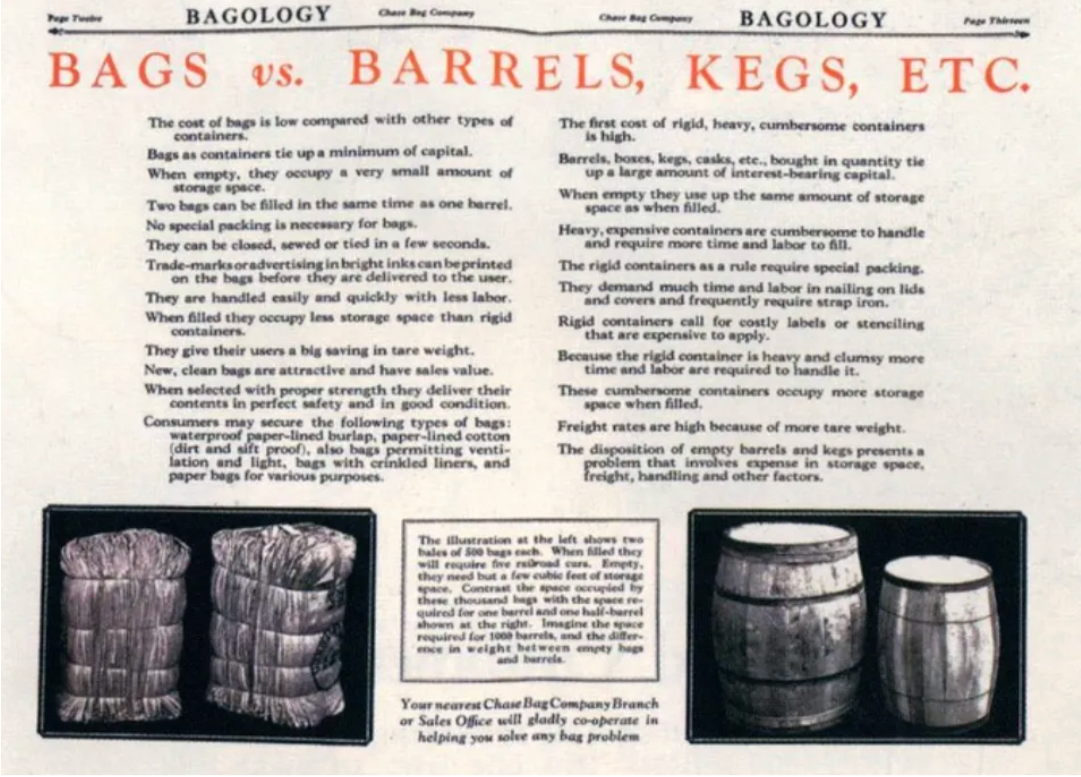
Before feed sacks, bulk goods such as flour, sugar, grain, and seed traveled in large, heavy wooden barrels. For that to change, cotton had to become cheap and abundant, and that story begins with violence. In the 1700s, cotton was grown slowly in Southern fields, picked by hand by enslaved people. Eli Whitney’s cotton gin in 1793 changed the math: suddenly large-scale cotton production was profitable, and demand for enslaved labor didn’t shrink, it exploded.
1800s - Industrial Revolution
By 1800, cotton exports had surged from near-zero to millions of pounds per year. By the 1810s, it was America's most valuable export and the fabric of daily life was being built on forced labor. The mills of the industrial North were happy to keep buying.
The sewing machine arrived in 1845. Elias Howe's lockstitch patent made faster, stronger, more consistent stitching possible and moved it out of the home.
Women had always sewn at home, keeping families clothed through skilled, invisible labor. Now that labor was moving to factories - first small workshops, then industrial mills - where speed replaced craft and the hands behind the work became easier to ignore. Cotton grown under forced and exploited labor was stitched into sacks and uniforms, faster and cheaper than ever before.
The Civil War disrupted Southern cotton production while driving massive demand for textiles. The Emancipation Proclamation and the 13th Amendment legally ended slavery but violence and exploitation didn't disappear. It was deliberately reorganized. Sharecropping, tenant farming, and convict leasing kept cotton cheap by trapping Black and poor white farmers in cycles of debt and dependence. The mills kept running.
Quietly, in farmhouses and rural kitchens across the country, women began noticing that the cotton sacks their flour and grain arrived in were too good to throw away.
1900s - Industrialization
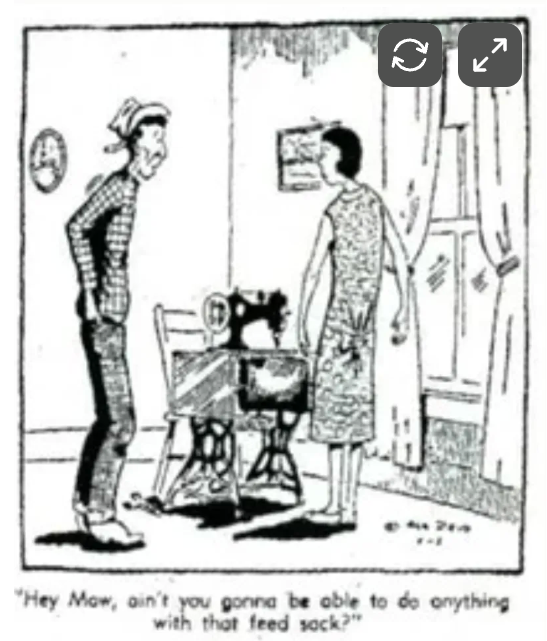
By the early 1900s, cotton sacks had quietly become a fixture of rural household life. Women skilled in sewing, mending, and pattern-making began saving them as a matter of course - washing out the empty bags and seeing immediately what they could become. Clothing, quilts, dish towels, curtains. The fabric was good. The price was right. It was already there.
This practice didn’t come from manufacturers or marketing campaigns. It came from women noticing, sharing, and teaching each other.
1910s - World War I
When World War I began in 1914, wartime shortages pushed feed sack reuse further into everyday life. By 1917, when the U.S. entered the war, demand for cotton sacks surged and the women stitching them in factories, largely immigrant women and women of color, were the lowest-paid workers in the chain. At home, rural women were stretching every sack they had. The same fabric, two different economies, neither getting much credit. After the armistice in 1918, manufacturers finally caught up to what women had already figured out.
1920s - Roaring Twenties
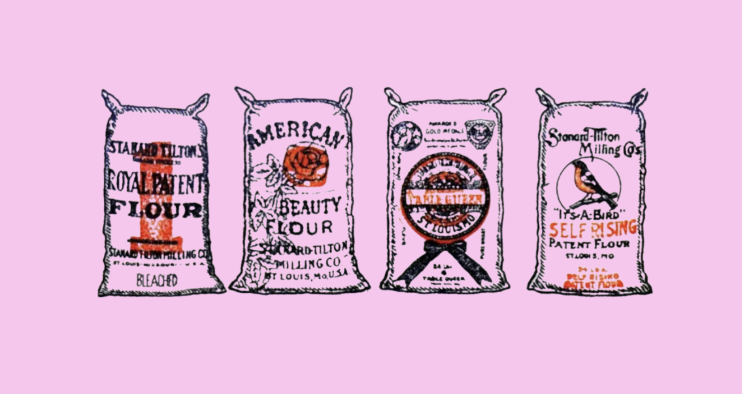
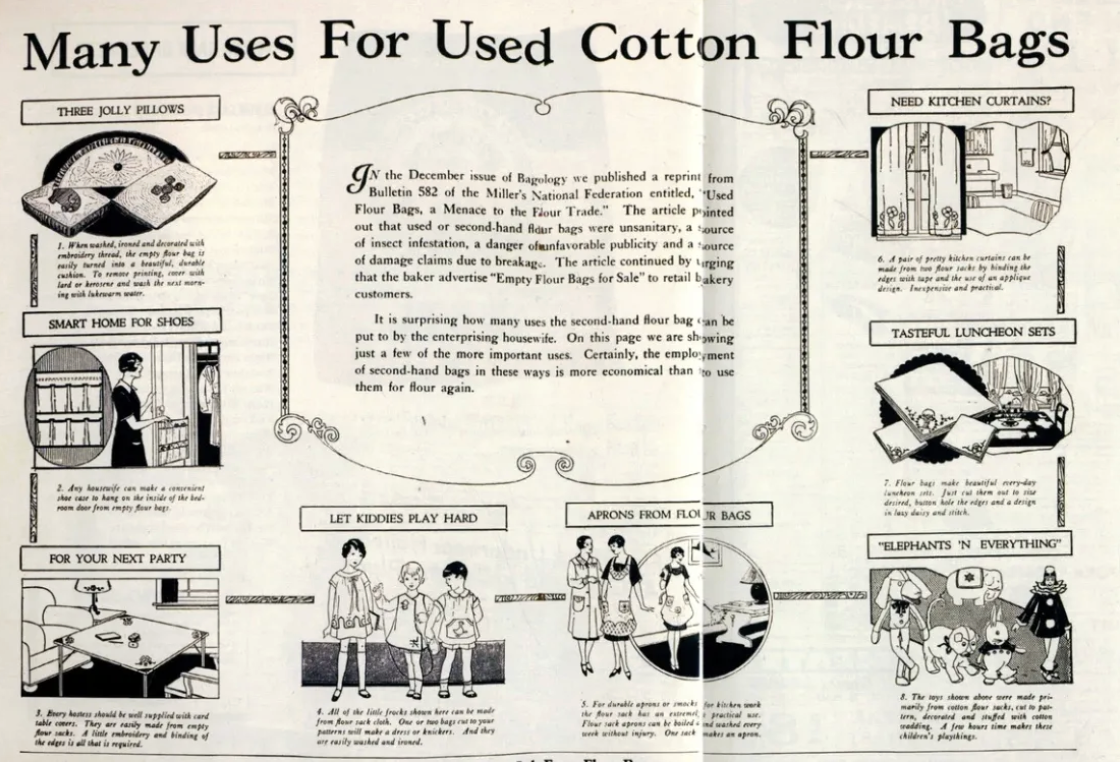
Through the 1920s, plain mill logos evolved into intentional printed patterns - florals, stripes, and checks - designed specifically to appeal to the women already reusing sacks at home. By the mid-1920s, magazines and pamphlets were offering sewing projects built entirely around sack fabric, and brands were competing on the quality of their prints as much as the quality of their product.
Feed sacks had become one of the first marketing campaigns aimed directly at women not just as consumers of beauty, but as household laborers and decision-makers.
The message was simple: buy this feed, get fabric too. It was a glimpse of women's economic power, wrapped in a flour sack.
1930s - Great Depression
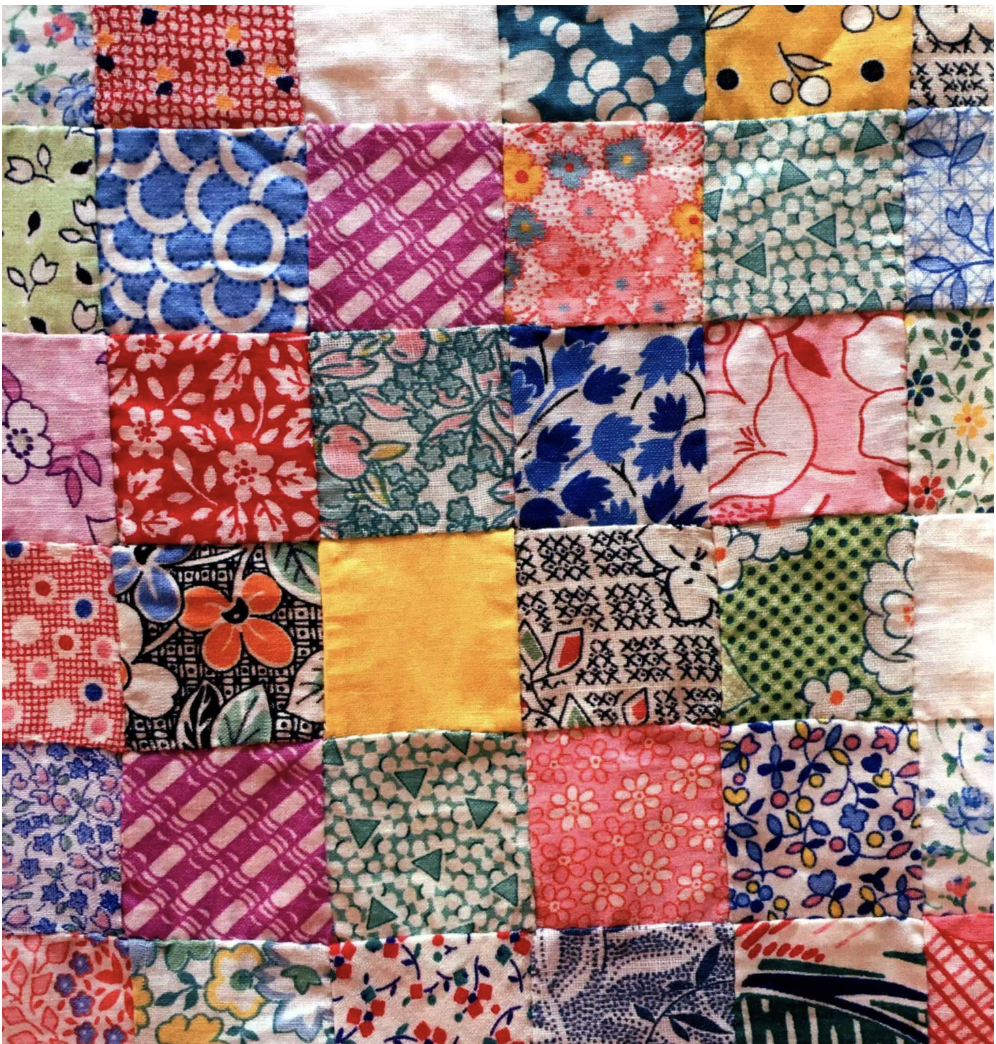
Feed sack culture reached its peak in the 1930s and so did the full weight of what women had quietly built.
The Great Depression reshaped how goods moved, who bought them, and what filled homes. Cash was tight, store-bought fabric was a luxury, and sewing at home wasn’t a hobby - it was survival. Railroads and trucks carried flour, sugar, feed, and grain into mills, stores, and kitchens nationwide, in cotton sacks. For many families, those sacks were their only source of new fabric.
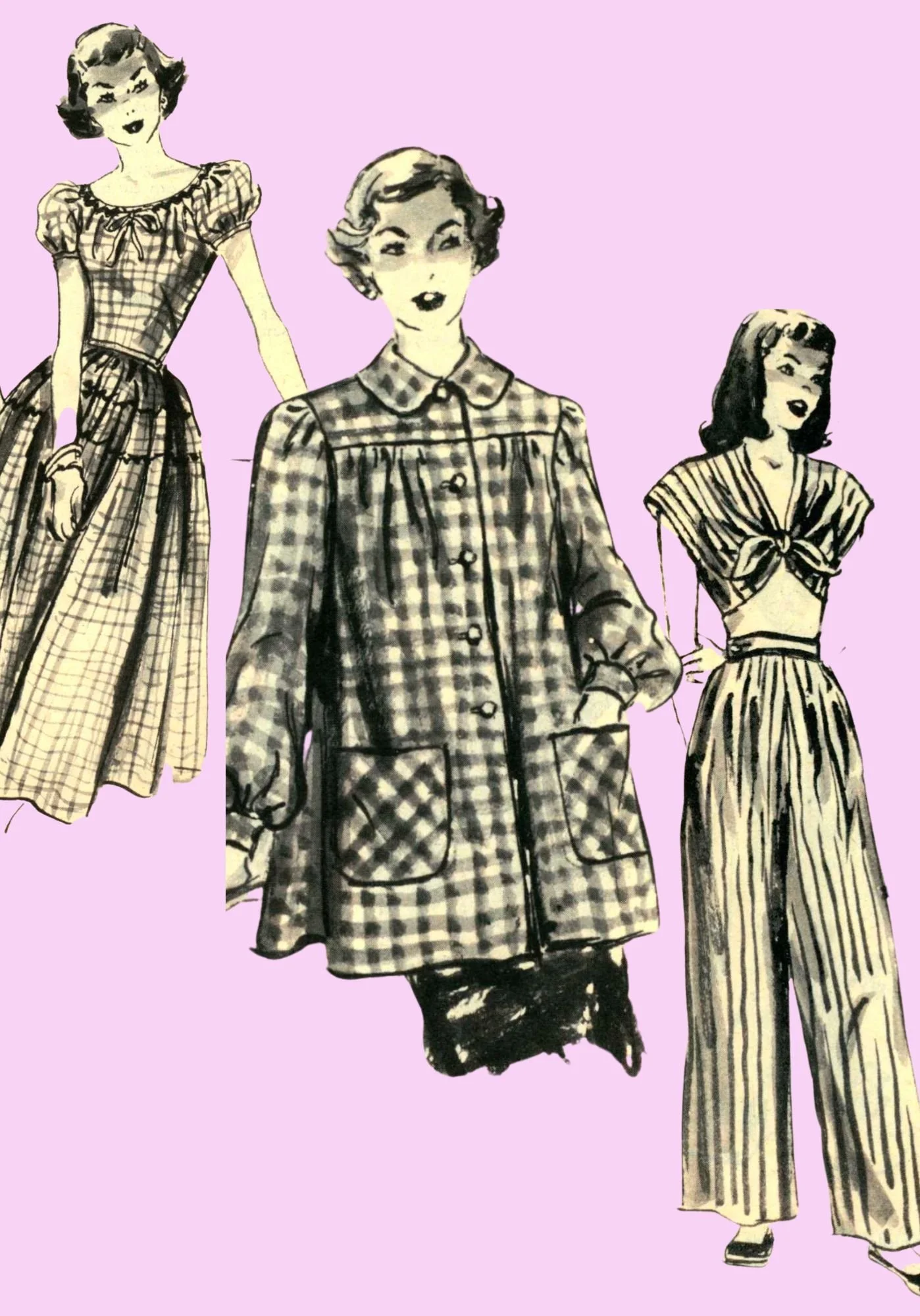
Sack sizes standardized so multiple bags from the same print could be collected for a single dress. Patterns grew bolder. Pamphlets and magazines taught women to turn them into dresses, aprons, and quilts: practical, fashionable, full of personality. Fashion persisted even amid scarcity. A feed sack dress wasn't just necessary, it was dignity, style, and a place in modern life.
Behind all of it were the designers: virtually anonymous, employed by printing studios or flour and feed companies, their work mass-distributed and highly influential. They created the patterns women chose, the prints that made one brand of feed more appealing than another, the fabric that ended up on children's backs and kitchen tables. Almost none of them are remembered.
1940s - World War II
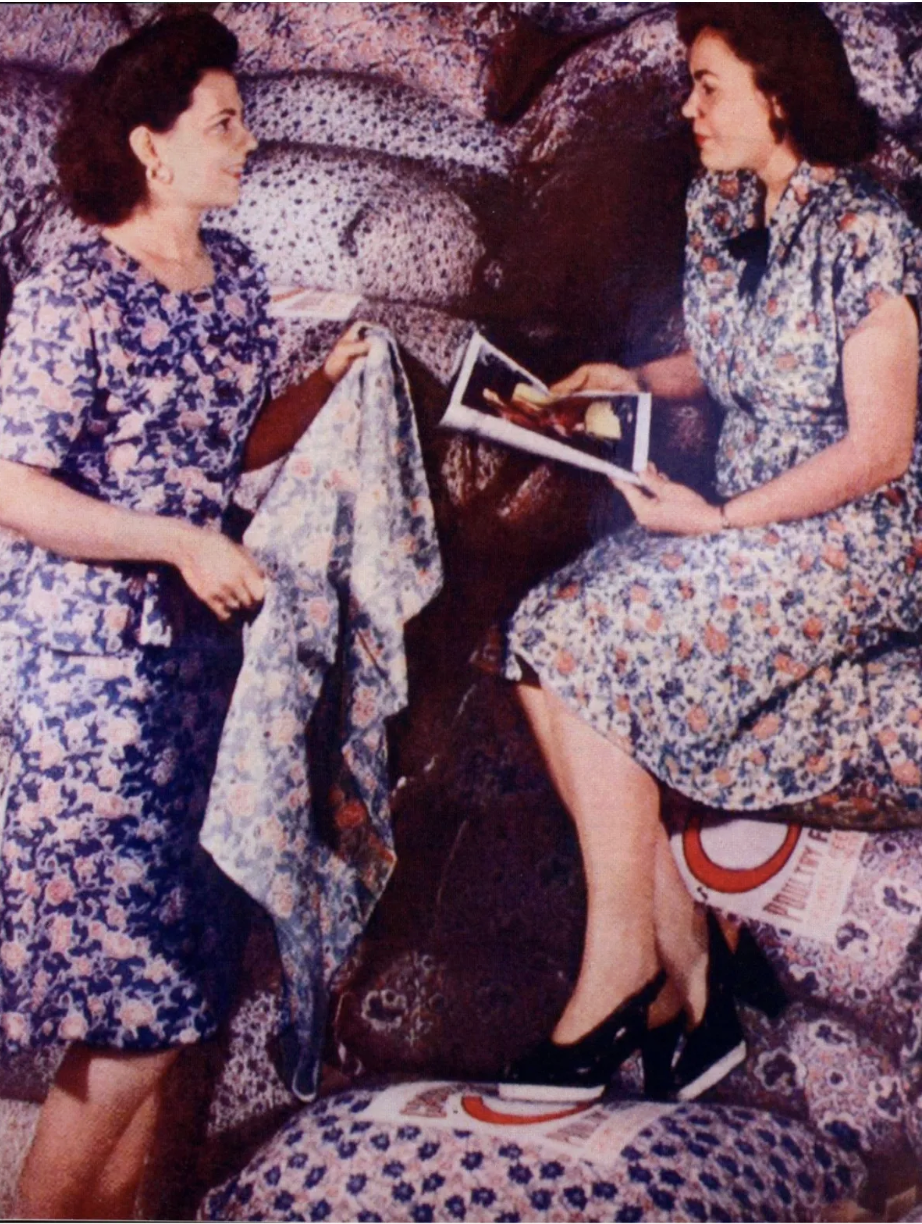
When World War II arrived, feed sack culture didn’t falter - it adapted. Textile mills shifted to war production, churning out uniforms and industrial fabrics. Civilian clothing grew scarce and cotton was rationed. Prints, patterns, and sack sizes continued to be tailored to women’s needs even within wartime constraints.
Over 3 million American women were sewing clothing and household items from feed sacks. Frugality became patriotic, and ingenuity became the point.
What this era makes plain is the shape of the system underneath. Factories delivered quantity. Women added quality, function, and artistry and industry profited from that skill and adaptability while the labor behind it went largely unacknowledged. For a brief moment in American history, women’s hands made beauty out of scarcity and made it last.
When the war ended, the factories didn’t close - they pivoted.
1950s - Post War Boom
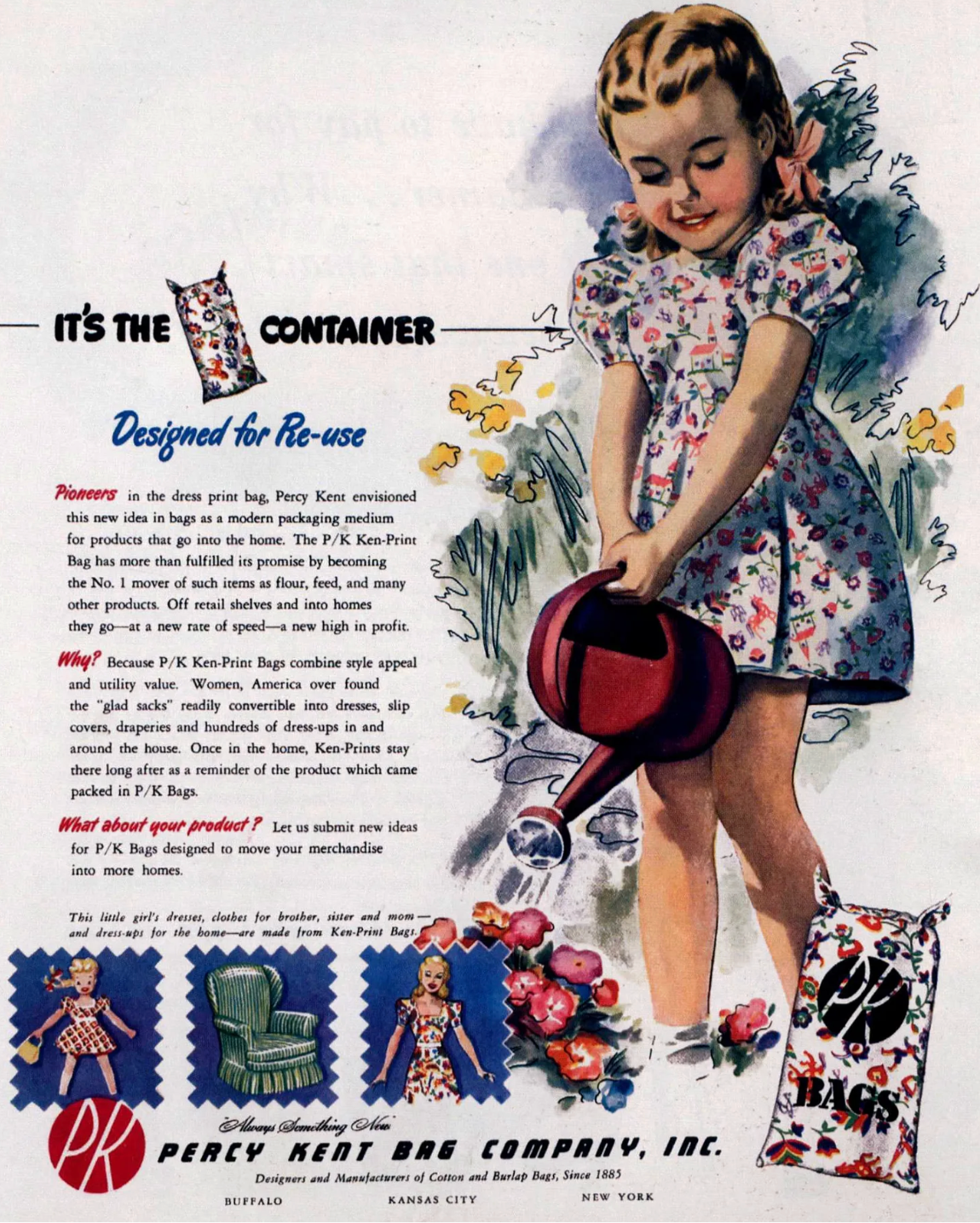
The industrial infrastructure built to produce uniforms and military goods shifted almost overnight to civilian clothing. Mass-produced women’s fashion emerged: sewn by women, marketed to women, and controlled by men.
One quiet artifact of that moment lives in your closet right now. During the war, uniforms had to fit millions of bodies, so measurements were systematized into standard sizes. Those systems became the foundation of women’s clothing sizes.
Your dress size is, in a very real sense, a military artifact.
Ready-to-wear clothing filled the racks through the 1950s. Speed replaced craft. Consumer replaced maker. Sewing didn’t disappear - it moved out of sight, reframed as a hobby rather than a necessity, a leisure activity rather than essential skill. Feed sacks sat on the other side of that story: labor visible, intentional, and named. Every seam in a feed sack garment carried the decisions of the woman who made it. That was becoming a relic.
1970s-2000s - Throw-Away Era
By the 1970s, feed sacks were long gone. Globalized production and synthetic fabrics had begun transforming garments into disposable commodities. Domestic manufacturing hollowed out as production moved overseas in search of cheaper labor and faster output.
In the 1980s, that shift accelerated. Mills and factories abandoned domestic labor for low-wage global production, divorcing clothing from community, craft, and care.
By the 1990s, fast fashion had turned disposability into a selling point. Clothing was cheaper, faster, and more plentiful than ever and less connected to the hands that made it than at any point in history.
By the 2000s, that disposability had solidified into cultural norm. Garments are produced at industrial speed for a global market. Handmade skill and domestic labor are rare, and largely invisible.
Some feed sacks survive - as counterpoints, as documents, as visible and intentional products of craft, care, and history.
1960s - Disposable Era
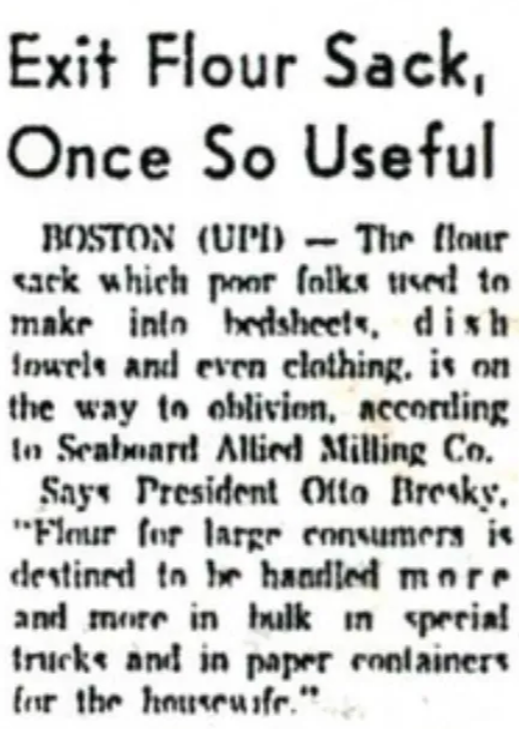
By the early 1960s, paper and plastic packaging had fully replaced cotton sacks.
Paper had been expanding since the late 1800s, but plastic exploded after World War II - cheap, convenient, and requiring nothing of the consumer. By 1964, cotton sack production had effectively come to an end. Convenience was king, and reuse-based systems like feed sacks became obsolete almost overnight.
The cultural shift was just as significant as the material one. Sewing with feed sacks, once a marker of resourcefulness and skill, was now reframed as a marker of poverty. What had been essential and ingenious was dismissed as something for poor people.
Advertising-driven consumption reshaped the cultural ideal: repair, thrift, and hand-making were replaced by the constant push for the new and the pre-made. When making became unnecessary, it was also made undesirable.
Small Details, Big Meaning
Before we close, a few things worth knowing that don’t fit neatly into a timeline, the kind of details that make feed sacks feel real rather than historical.
Feed sack parties were a real thing: women would gather to trade prints with each other, pooling their yardage until they had enough matching fabric to cut a dress. Most antique quilts contain tiny feed sack pieces, cut dozens or even hundreds of times over. Women made roughly 90% of feed sack pattern designs, though nearly all of them remain anonymous. Scraps too small for clothing were woven into rag rugs, braided into mats, or stuffed into pillows. They even saved the string that stitched the sack together to reuse or crochet into doilies. A few manufacturers printed homemaking tips and educational content on the backs of sacks.
Feed sacks are 100% cotton grown before the era of widespread pesticide use. Safer then. Still safer now.
None of this was incidental. All of it was intentional, creative, and skilled.
What Feed Sacks Have Taught Me
Feed sacks thrived in a world that valued reuse, skill, and care. They disappeared when disposability became normal. Women didn’t stop being resourceful - the system stopped needing their labor to be visible.
These sacks carry more than fabric. They carry over a century of labor, ingenuity, and history. Women stitched, pressed, inspected, and repurposed - shaping not just garments but culture itself. They turned containers into clothing, survival into identity, and quietly built the foundation of a consumer culture that would leverage their labor while rarely acknowledging it.
Today, every garment still requires human hands. Fabric does not cut itself. Seams do not guide themselves through a sewing machine. Someone still bears the cost of speed.
What has changed is not the labor, it is our relationship to it. Modern clothing convinces us that garments are automatic, disposable, and consequence-free. Feed sacks remind us of what was lost: skill made visible, work made meaningful, creativity honored.
Most of all, feed sacks teach us possibility - that beauty lives in labor, in care, in materials made to last. The work may be invisible. It still matters.
When I work with these materials now, I’m not starting from scratch, I’m joining a long line of hands that came before mine.
Thank you for being here.
— India
PS: Yes, I opened with an impulse buy and closed with a critique of consumer culture. The irony is not lost on me. Studying and making from feed sacks feels like part of the repair.